






-
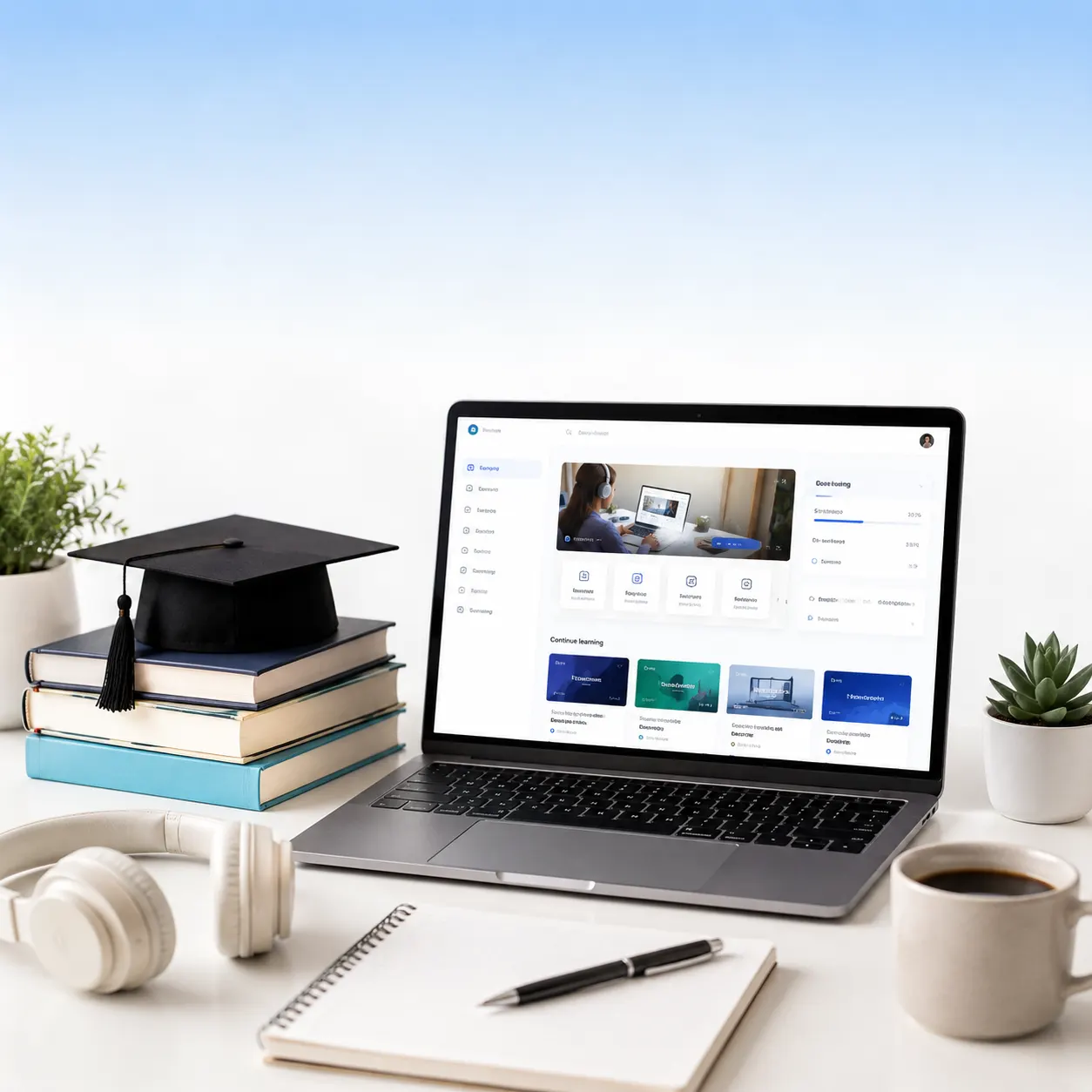
Over 250,000 courses across nearly every skill

-
Courses frequently discounted to $10-$20
-
Learn at your own pace, on any device
-
Highly rated mobile app experience
-
Available in 190+ countries and 75+ languages
 See extra details & advantages
Pros & Cons

Pros & Cons
-

Enormous course selection across nearly every subject and skill level
-
Frequent sales bring most courses down to $10-$20
-
Self-paced learning available anytime, on any device
-
Mobile app consistently rated highly by users
-

Refund requests are frequently denied under an undisclosed "watched too much" threshold
-
No phone support, and reaching a human through the chatbot is widely reported as difficult

Why We Picked It:
Why We Picked It:
-
Over 8 billion historical records to search
-
DNA matching across 2,100+ geographic regions
-
Available in 42+ languages worldwide
-
AI photo tools to restore and animate old photos
-
Responsive customer care team for billing issues
See extra details & advantages
Pros & Cons
Pros & Cons
-
Enormous course selection across nearly every subject and skill level
-
Frequent sales bring most courses down to $10-$20
-
Self-paced learning available anytime, on any device
-
Mobile app consistently rated highly by users
-
Refund requests are frequently denied under an undisclosed "watched too much" threshold
-
No phone support, and reaching a human through the chatbot is widely reported as difficult
Why We Picked It:
Why We Picked It:

-
25+ free online PDF tools
-
AI-powered document chat and mind maps
-
Works across web, desktop, and mobile
-
Clean, intuitive editing interface
-
API and SDK available for developers
See extra details & advantages
Pros & Cons
Pros & Cons
-
Clean, intuitive interface for everyday PDF tasks
-
Broad toolset covering conversion, editing, OCR, and e-signatures
-
AI features like document chat and PDF-to-mind-map conversion
-
Available across web, desktop, and mobile platforms
-
Unused monthly credits expire rather than rolling over
-
Refunds and subscription cancellations are reported as slow and difficult to resolve
Why We Picked It:
Why We Picked It:
-
Precise AI background removal, even on hair
-
Photo enhancement and unblurring tools
-
Batch processing up to 30 images at once
-
Pay-as-you-go option, not just subscriptions
-
Responsive support team that resolves most complaints
See extra details & advantages
Pros & Cons
Pros & Cons
-
Highly accurate background removal, even on complex edges like hair
-
Strong photo enhancement and unblurring results
-
Support team frequently resolves complaints with refunds when contacted
-
Flexible pay-as-you-go pricing, not just subscription-only
-
The 3-day free trial requires an annual plan, and cancellation is only possible via email
-
API credit pricing has changed without advance notice in at least one documented case
Why We Picked It:
Why We Picked It:
-
All processing happens locally on your device
-
No account or registration required
-
Works fully offline, no internet needed
-
Free to use, with optional ad-free Premium
-
Supports PDF, DOCX, and scanned documents
See extra details & advantages
Pros & Cons
Pros & Cons
-
Documents are never uploaded to a server, processed fully on-device
-
No account or registration needed to start signing
-
Core signing tools are free to use
-
Supports multiple formats, including PDF, DOCX, and scans
-
iOS only, with no Android, web, or desktop version
-
As a newer app, it doesn't yet have an established public review history
Why We Picked It:
Why We Picked It:


Our Rating System

We rely on reviews from verified users, just like you!
The star ratings are based on the overall rating of each brand.
We encourage you to write a review of your experiences with these brands and share your experiences with others


Our Best Overall Provider
-
Over 250,000 courses across nearly every skill
-
Courses frequently discounted to $10-$20
-
Learn at your own pace, on any device
-
Highly rated mobile app experience
-
Available in 190+ countries and 75+ languages
See extra details & advantages
Pros & Cons
Pros & Cons
-
Enormous course selection across nearly every subject and skill level
-
Frequent sales bring most courses down to $10-$20
-
Self-paced learning available anytime, on any device
-
Mobile app consistently rated highly by users
-
Refund requests are frequently denied under an undisclosed "watched too much" threshold
-
No phone support, and reaching a human through the chatbot is widely reported as difficult
Why We Picked It:
Why We Picked It:
Why Invest in Quality Software and Learning Tools?
Investing in reliable software and learning platforms can save significant time and effort, whether you're editing documents, managing photos, signing contracts, or building new skills. Well-designed tools streamline everyday tasks that would otherwise take much longer using manual methods or outdated software.
Quality learning platforms also provide structured, accessible ways to build new skills or knowledge at your own pace, often taught by experienced instructors. Similarly, reliable software tools for document management, image editing, and digital signatures help individuals and businesses handle everyday tasks more efficiently and securely.
Investing in the right platforms means less time troubleshooting or working around limitations, and more time actually getting things done.
How to Pick the Best Software or Learning Platform for Your Needs?
Start by identifying exactly what you need the platform to do, whether that's learning a new skill, editing or converting documents, enhancing photos, or signing agreements electronically. Different platforms specialize in different tasks, so matching the tool to your specific use case is the first step.
Next, compare providers on factors like ease of use, feature depth, pricing structure, and customer support quality. Reading recent user reviews can reveal a lot about real-world reliability, particularly around file compatibility, processing speed, and how responsive support teams are when issues arise.
Finally, consider trying a free trial or free version where available. This lets you test core functionality firsthand before committing to a paid plan, helping ensure the platform genuinely fits your workflow.
What Do Software & Learning Platforms Typically Offer?
- Online Courses: Video Lessons, Certificates, Skill Tracks
- Document Tools: PDF Conversion, Merging, Compression
- E-Signature Solutions: Digital Contracts, Legally Binding Signatures
- Photo Editing Tools: Background Removal, Image Enhancement, Upscaling
- Research and History Tools: Family Records, Ancestry Databases
- Productivity Software: Task Management, Cloud Storage
- Security Features: Encryption, Two-Factor Authentication
- Mobile and Desktop Apps
- Free Trials and Freemium Plans
- Customer Support: Live Chat, Email, Help Centers
What's the Difference Between Learning Platforms and Software Tools?
Learning platforms are primarily focused on education, offering structured courses, video lessons, and certifications designed to help users build new skills or knowledge over time. These platforms are typically used for personal development, professional growth, or hobby learning.
Software tools, on the other hand, are designed to perform specific practical tasks, such as editing documents, converting file formats, enhancing photos, or signing contracts digitally. Rather than teaching a skill, these tools help users complete a task more efficiently.
While the two categories serve different purposes, they often overlap in the same digital toolkit, with many users relying on both learning platforms to build skills and software tools to apply them in practical, everyday tasks.
How Do Free Trials and Freemium Plans Work for Software and Learning Platforms?
Free trials typically give users full or near-full access to a platform's features for a limited time, usually ranging from a few days to a month, allowing them to fully test functionality before deciding to subscribe. Freemium plans, by contrast, offer a permanently free tier with limited features, encouraging users to upgrade to a paid plan for advanced functionality.
These models benefit users by reducing the risk of committing to a platform that doesn't meet their needs. It's worth checking whether a free trial requires payment details upfront, as this can lead to automatic charges if not cancelled in time.
Comparing what's included in free versus paid tiers, such as file size limits, course access, or export options, can help you determine whether a free plan is sufficient or if upgrading is worthwhile for your particular use case.
Our Top 3 Software & Learning
-
Enormous course selection across nearly every subject and skill level
-
Frequent sales bring most courses down to $10-$20
-
Self-paced learning available anytime, on any device
-
Mobile app consistently rated highly by users
-
Refund requests are frequently denied under an undisclosed "watched too much" threshold
-
No phone support, and reaching a human through the chatbot is widely reported as difficult
Udemy stands out for the sheer size of its course catalog, giving learners access to practical, skill-specific training across nearly any subject, often at steep discounts from the listed price. With a well-rated mobile app and flexible, self-paced learning, it's a genuinely useful resource for building specific skills, though it's worth going in aware of its documented customer support and refund challenges.
-
Enormous course selection across nearly every subject and skill level
-
Frequent sales bring most courses down to $10-$20
-
Self-paced learning available anytime, on any device
-
Mobile app consistently rated highly by users
-
Refund requests are frequently denied under an undisclosed "watched too much" threshold
-
No phone support, and reaching a human through the chatbot is widely reported as difficult
Udemy stands out for the sheer size of its course catalog, giving learners access to practical, skill-specific training across nearly any subject, often at steep discounts from the listed price. With a well-rated mobile app and flexible, self-paced learning, it's a genuinely useful resource for building specific skills, though it's worth going in aware of its documented customer support and refund challenges.
-
Clean, intuitive interface for everyday PDF tasks
-
Broad toolset covering conversion, editing, OCR, and e-signatures
-
AI features like document chat and PDF-to-mind-map conversion
-
Available across web, desktop, and mobile platforms
-
Unused monthly credits expire rather than rolling over
-
Refunds and subscription cancellations are reported as slow and difficult to resolve
LightPDF stands out for combining everyday PDF essentials, like conversion, merging, and compression, with newer AI-powered tools such as document chat and mind mapping, all in one accessible platform. With apps across web, desktop, and mobile, it's a genuinely convenient option for handling PDF tasks, though it's worth reviewing the subscription terms carefully before committing to a paid plan.

Kelly Weissman
Kelly Weissman is an expert analyst and reviewer who has a wealth of experience.
She is highly respected for her opinions and insights, and her reviews are sought after by both consumers and businesses alike. Kelly is a trusted source of information and her reviews are always fair and objective.
Why Invest in Quality Software and Learning Tools?
Investing in reliable software and learning platforms can save significant time and effort, whether you're editing documents, managing photos, signing contracts, or building new skills. Well-designed tools streamline everyday tasks that would otherwise take much longer using manual methods or outdated software.
Quality learning platforms also provide structured, accessible ways to build new skills or knowledge at your own pace, often taught by experienced instructors. Similarly, reliable software tools for document management, image editing, and digital signatures help individuals and businesses handle everyday tasks more efficiently and securely.
Investing in the right platforms means less time troubleshooting or working around limitations, and more time actually getting things done.
How to Pick the Best Software or Learning Platform for Your Needs?
Start by identifying exactly what you need the platform to do, whether that's learning a new skill, editing or converting documents, enhancing photos, or signing agreements electronically. Different platforms specialize in different tasks, so matching the tool to your specific use case is the first step.
Next, compare providers on factors like ease of use, feature depth, pricing structure, and customer support quality. Reading recent user reviews can reveal a lot about real-world reliability, particularly around file compatibility, processing speed, and how responsive support teams are when issues arise.
Finally, consider trying a free trial or free version where available. This lets you test core functionality firsthand before committing to a paid plan, helping ensure the platform genuinely fits your workflow.
What Do Software & Learning Platforms Typically Offer?
- Online Courses: Video Lessons, Certificates, Skill Tracks
- Document Tools: PDF Conversion, Merging, Compression
- E-Signature Solutions: Digital Contracts, Legally Binding Signatures
- Photo Editing Tools: Background Removal, Image Enhancement, Upscaling
- Research and History Tools: Family Records, Ancestry Databases
- Productivity Software: Task Management, Cloud Storage
- Security Features: Encryption, Two-Factor Authentication
- Mobile and Desktop Apps
- Free Trials and Freemium Plans
- Customer Support: Live Chat, Email, Help Centers
What's the Difference Between Learning Platforms and Software Tools?
Learning platforms are primarily focused on education, offering structured courses, video lessons, and certifications designed to help users build new skills or knowledge over time. These platforms are typically used for personal development, professional growth, or hobby learning.
Software tools, on the other hand, are designed to perform specific practical tasks, such as editing documents, converting file formats, enhancing photos, or signing contracts digitally. Rather than teaching a skill, these tools help users complete a task more efficiently.
While the two categories serve different purposes, they often overlap in the same digital toolkit, with many users relying on both learning platforms to build skills and software tools to apply them in practical, everyday tasks.
How Do Free Trials and Freemium Plans Work for Software and Learning Platforms?
Free trials typically give users full or near-full access to a platform's features for a limited time, usually ranging from a few days to a month, allowing them to fully test functionality before deciding to subscribe. Freemium plans, by contrast, offer a permanently free tier with limited features, encouraging users to upgrade to a paid plan for advanced functionality.
These models benefit users by reducing the risk of committing to a platform that doesn't meet their needs. It's worth checking whether a free trial requires payment details upfront, as this can lead to automatic charges if not cancelled in time.
Comparing what's included in free versus paid tiers, such as file size limits, course access, or export options, can help you determine whether a free plan is sufficient or if upgrading is worthwhile for your particular use case.
FAQ
What should I look for when choosing a software or online learning platform?
Look for a platform that offers a clear feature set, transparent pricing, responsive customer support, and positive user reviews. Free trials or demo versions can also help you confirm the tool fits your needs before committing to a paid plan.
Are paid software and learning platforms always better than free alternatives?
Not necessarily. Free tools can be perfectly sufficient for basic tasks, but paid platforms often offer more advanced features, better support, fewer limitations, and stronger security or privacy protections, which can be worth the investment depending on your needs.
How do online course platforms typically work?
Most online learning platforms let you purchase or subscribe to access video lessons, downloadable materials, and sometimes certificates of completion. Courses are usually self-paced, allowing you to learn on your own schedule.
Is it safe to use online tools for document editing, e-signing, or photo editing?
Reputable platforms use encryption and secure servers to protect your files and data. It’s worth checking a provider’s privacy policy and security certifications, especially when uploading sensitive documents or personal photos.
Can I try software or learning platforms before committing to a subscription?
Many providers offer free trials, freemium plans with limited features, or money-back guarantees, allowing you to test the platform’s functionality before paying for a full subscription.
What's the difference between one-time purchase software and subscription-based tools?
One-time purchase software involves a single upfront payment for indefinite use, often with limited or paid updates. Subscription-based tools charge an ongoing fee, typically including regular updates, cloud access, and continued customer support for as long as you remain subscribed.
Kelly Weissman
Creative writer and editorKelly Weissman is an expert analyst and reviewer who has a wealth of experience.
She is highly respected for her opinions and insights, and her reviews are sought after by both consumers and businesses alike. Kelly is a trusted source of information and her reviews are always fair and objective.

